my first hand experience of breast implants was weird, she was a friend of a friend is how we met and we both shared working in the theater. she had large silicone implants, being a stage performer everything is exaggerated, her breasts were the same laying down as standing. they didn’t move they looked nice but i am sure she didn’t feel much sensation in them. she made lots of noise but somehow it rang false. i’ve never been attracted to large breast per se and i see women, models who conform to some weird playboy mag idea of booming basooms. don’t get me wrong i do love to play with breasts and that fine tuning knob on the end is neat. i am just opposed to implants. i’ve had partners who had small breasts and our sex life was fine, so size doesn’t impede that good sex. as people are so should breast be, all different. but this isn’t about me it’s about boobies and history.
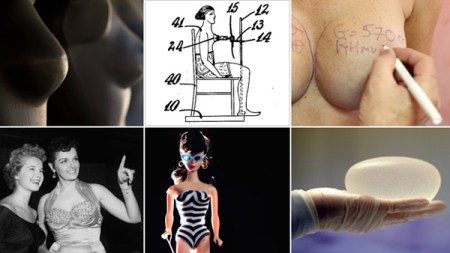
It is 50 years since the first breast enlargement using silicone implants. Today it rates as the second-most popular form of cosmetic surgery worldwide, undergone by 1.5 million women in 2010.
It was spring 1962 when Timmie Jean Lindsey, a mother-of-six lay down on the operating table at Jefferson Davis hospital in Houston, Texas.
Over the next two hours, she went from a B to a C cup, in an operation that made history.
“I thought they came out just perfect… They felt soft and just like real breasts,” says Lindsey now aged 80.
“I don’t think I got the full results of them until I went out in public and men on the street would whistle at me.”
Though the operation boosted her self-confidence – and she enjoyed the extra attention – she had never planned to have a breast augmentation.
 Timmie Jean before and just after her op, and today
Lindsey had been to hospital to get a tattoo removed from her breasts, and it was then that doctors asked if she would consider volunteering for this first-of-its-kind operation.
“I was more concerned about getting my ears pinned back… My ears stood out like Dumbo! And they said ‘Oh we’ll do that too.'” So a deal was struck.
read the rest of story here
just one mans opinion. i know breast are pretty important in this world, i personal like them natural. TASTY

 Fuzzypictures's Weblog